In 2026, a Warmup heated walkway system costs on average $11-$25 per square foot, depending on the walkway size, layout, surface material, and heating system used. Our energy-efficient cables, smart controls, and sensors help provide optimized, cost-effective snow melting.
Depending on the size of the walkway, corresponding controls, and materials used, the total cost from installation to average use varies. No matter the total cost, however, heated walkways offer a safe, automated winter snow management solution that successfully prevents snow and ice from building up.
To break down the factors that affect expenses associated with a heated walkway system, this article will go over:
- What a heated walkway is
- How a heated walkway worksd
- Factors that affect installation and running costs
- If a heated walkway is worth it
What is a heated walkway?
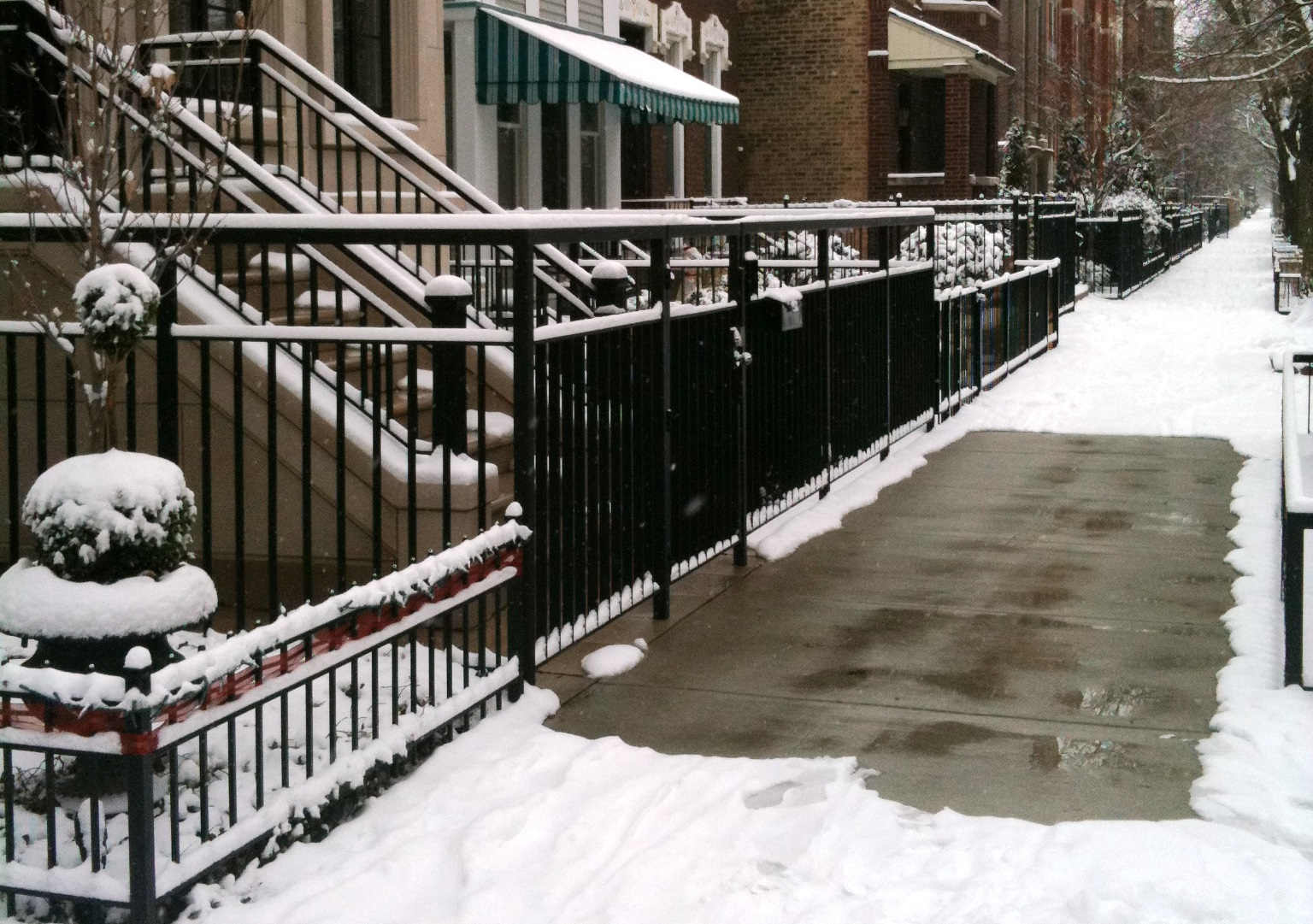
A heated walkway is a snow melt system that prevents the accumulation of snow and ice, improving pathway safety, accessibility, and the convenience of snow removal.
A heated walkway uses electric radiant heat beneath the walking surface to melt snow and ice before they accumulate. The heating elements are installed under materials such as concrete, asphalt, or pavers, allowing heat to rise through the surface and keep pathways safer and easier to navigate.
By delivering heat directly to the walkway, the electric cables help keep pathways clear and risk-free while also reducing other forms of snow management, such as shoveling and applying de-icing chemicals. Sensors and controllers activate only when designated temperature and moisture thresholds are crossed, allowing for seamless and proactive heating automation.
What are the different elements of a heated walkway?
A heated walkway system consists of three key parts – electric radiant heating cables, sensors, and controllers – which work together to deliver an energy-efficient and heating-optimized snow melting solution.
Electric Radiant Heating Cables
There are two different types of heating cables that can be used for a heated walkway – Snow Melting Mats and Snow Melting Cables.
Snow Melting Mats consist of pre-set heating cables that are embedded in mesh runs. This allows them to be easily rolled out during installation, ensuring significant time saving and proper cable spacing. Snow Melting Mats are designed to be used in straight and regularly shaped pathways.
Snow Melting Cables are loose cables that are an ideal fit when customized walkway layouts are necessary. They are best used with irregularly shaped or curved walkways, allowing for flexibility in system design and tailored cable spacing.
Sensors
Snow Melting Sensors, such as the PRO-A Aerial Sensor and AirSense-19, gather temperature and moisture readings. The moisture level and temperature threshold can be adjusted based on user preferences. Once set, the sensor detects in real-time what weather conditions are being met. Depending on the readings, the sensor communicates with the controller and determines whether the system should be on or off.
Controllers
Controllers such as the SNOPRO-100 and DS Controllers manage the connection between the sensor and the heating cables, ensuring that system activation and heat output correspond appropriately. Controllers offer intuitive and automated system management that operates efficiently while optimizing system performance.
What material costs are involved in a heated walkway installation?
The cost of heated walkway materials depends on the size and complexity of the project. The larger the walkway, the more system elements and installation labor will be needed.
Snow Melting Cables and Mats
Snow Melting Cables and Mats typically have an output of up to 50 watts per square foot, depending on the spacing of the cables.
Controllers & Sensors
When choosing a controller and sensor, manual controls typically carry a lower upfront cost, while automatic snow-melting controls cost more for the additional features.
Over time, however, advanced automated controls can improve energy efficiency by automatically reducing unnecessary run times.
Surface Material
Concrete, asphalt, and pavers are all compatible with snow melting systems, though installation costs vary depending on the material and construction method. In general, paver installations tend to require more labor than standard concrete applications.
Mechanical Equipment
Some projects may require electrical panel upgrades to support a snow melting system. This can influence the total project cost and should be evaluated during system design.
Labor Cost of Installation
The labor cost of a heated walkway installation can range anywhere from a few hundred to several thousand dollars, as it depends on the size and scope of the project. Retrofit projects typically cost less than custom, large-scale projects or new builds.
The most cost-effective time to install a heated walkway is during an already planned project, such as a new construction or sidewalk replacement. Installing the system while the surface is already being replaced can reduce overall labor costs and simplify installation.
Heated Walkway Cost of Materials
| Item | Average Purchase Cost | Key Takeaway |
| Snow Melting Cables | $11–$17/sq ft | Flexible option for curved, irregular, or custom walkway layouts; up to 50W/sq. ft. |
| Snow Melting Mats | $13–$25/sq ft | Best for straight or regularly shaped walkways; up to 50W/sq. ft. |
| Standard Controllers | $930-$1,100 | Lower upfront cost than advanced automatic controls. |
| WiFi-Enabled Automatic Controllers | $6,000–$7,000 | Higher upfront cost but can improve efficiency by reducing running times. |
| Asphalt Covering | $3.50-$8.50/sq ft | Cost varies by project size and installation method. |
| Concrete Covering | $5-$18/sq ft | Cost varies by project size and installation method. |
| Pavers Covering | $5-$22/sq ft | Often more labor-intensive than standard concrete. |
| Walkway System Installation Labor | $75-$125/hour | Labor varies based on project scope, retrofit vs. new build, and complexity. |
| Electrical Panel Work | $60-$180/hour | May be needed depending on available electrical capacity. |
| New Electrical Amp Panel (Including Installation) | $2,500-$8,000 | Only needed if the existing panel cannot support the system. |
If you would like assistance with a heated walkway project, contact us for a free quote!
What are some additional cost factors for a heated walkway?
There are many factors beyond the cost of materials that can impact the cost of a heated driveway, such as size, design, climate, and utility costs.
Walkway Size and Design
The size, shape, and overall layout of your walkway can significantly change the heated walkway installation and running costs. Larger walkways require more heating cable or mats, while curved pathways, stairs, and custom designs often increase material needs and labor requirements. Typically, straight walkways are the most cost-effective to heat, whereas complex layouts require more customized snow-melting system design and installation.
Climate
Properties located in areas with frequent snowfall and freezing temperatures may require longer operating times and higher energy usage throughout the winter season. For the most efficient installation process, heated walkways are typically installed during warmer months.
Local Utility Costs
Since snow melt systems rely on electricity to heat the pavement, homeowners in regions with higher utility rates may experience higher operating expenses. Choosing smart controls and automatic snow sensors can help improve energy efficiency by activating the system only when conditions require it, helping reduce unnecessary energy consumption.
What is the running cost of a heated walkway?
Operating costs depend on variables such as local energy prices, walkway size, weather conditions, and hours of operation.
Using the national average electricity cost of $0.19 per kWh and an average 4-hour run time per day, the chart below estimates the daily operating cost of heated walkways in various sizes.
| Walkway Size | Power Usage | Cost Per Hour | Cost Per Day (4 Hours) |
| 50 sq. ft. | 2.5 kW | $0.48 | $1.90 |
| 100 sq. ft. | 5.0 kW | $0.95 | $3.80 |
| 200 sq. ft. | 10.0 kW | $1.90 | $7.60 |
Are heated walkways worth it?
Yes, heated walkways are worth the investment for those looking for a safer, low-maintenance winter management solution that successfully and efficiently reduces the risks associated with snow and ice.
By automatically melting snow before it accumulates, a heated walkway reduces slip-and-fall risks, eliminates the need for shoveling, and minimizes the use of salt and chemical de-icers that can damage concrete, pavers, landscaping, and nearby surfaces.
Though the upfront installation cost can be significant, heated walkways provide a long-term investment in safety, convenience, and property value. They allow homeowners to maintain clear, safe, and accessible walkways without constant monitoring or manual removal.
In addition to walkways, heated stairs, driveways, and patios offer similar benefits that help keep homes safe, clear, and accessible in the winter.
Frequently Asked Questions
How long does it take for a heated walkway to heat up?
A heated walkway generally takes about 15-30 minutes to heat up, depending on weather conditions, insulation, system type, and installation depth. If a heated walkway activates before snowfall, the snow will melt immediately. If turned on afterwards, the melting time will depend on the amount of snow that is already accumulated.
Do heated walkways require maintenance?
Electric heated walkways typically require little to no maintenance after installation.
Are heating cables or heated mats better to install?
Heating mats are best for straight walkways, while heating cables are better for curved or custom layouts. Both provide effective snow and ice melting when installed.
When is the best time to install a heated walkway?
The best time to install a heated walkway is in spring or early fall, when weather conditions are most manageable. Additionally, if there is a new construction project or walkway replacement already planned, it is best to do a heated walkway installation at the same time.
Find Out the Cost of Your Heated Walkway Project
A heated walkway is a convenient snow melting solution that helps keep pathways safe, accessible, and free of snow and ice. By reducing the need for shoveling, de-icing chemicals, and ongoing maintenance, a heated walkway can improve both safety and long-term property value.
If you’re considering a heated walkway installation, our team can help you select the right snow-melting system for your project and budget. For additional guidance, explore our YouTube channel for installation videos, product demonstrations, and expert advice.