When dealing with snow and ice in the winter, maintaining a clear area is about more than convenience – it’s about ensuring safety, accessibility, and long-term protection of your property. Traditional methods of snow and ice melt, such as salt and chemical deicers, are widely available and commonly used. These methods, however, can have negative impacts on driveways and pathways, the environment, and pets. That being said, there are beneficial alternatives, such as outdoor radiant heating systems.
In this article, we’ll go over traditional snow melt management methods and alternatives that can be used in the short and long-term:
- Importance of deicing
- Traditional deicing methods
- Alternatives to traditional deicing methods
- The efficiency of outdoor radiant heating
- Outdoor applications of radiant heating
Why is snow & ice melt management important?
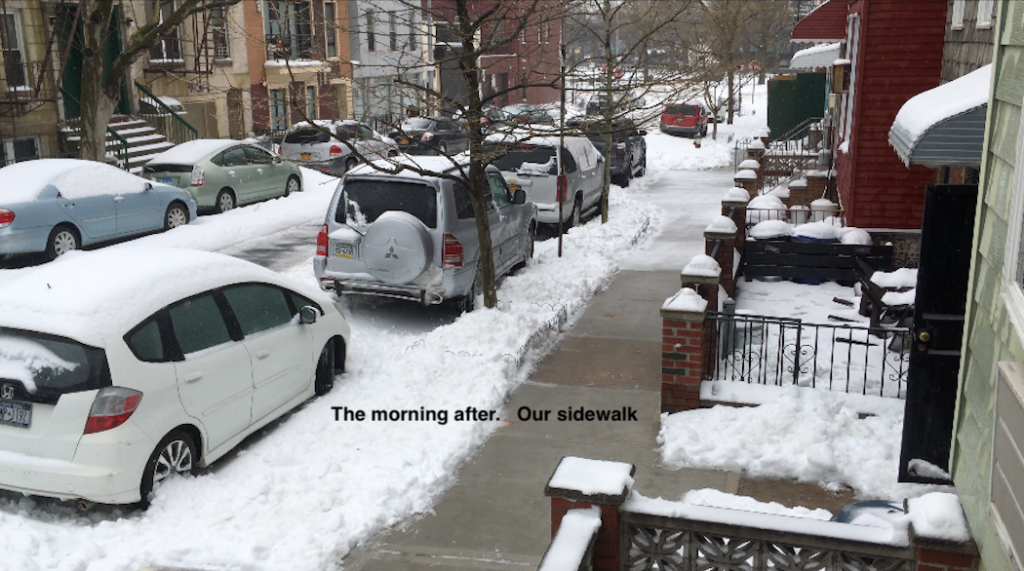
Removing snow and ice from pathways and driveways is necessary in the winter. Leaving it untreated can lead to risk of weather-related injuries and accidents in areas surrounding a property. For homeowners, this can result in falls, vehicle difficulties, and damage to paved surfaces. For business owners and commercial spaces, this can lead to increased maintenance expenses, concerns over accessibility, and potential liability.
Reasons to change from salt and chemical deicers
Salt and chemical deicers are commonly used due to their affordability and accessibility. The downsides to these methods, however, are concerning. According to the Environmental Protection Agency (EPA), they contaminate groundwater and corrode infrastructure. After years of use, salt and chemical deicers:
- Wear down concrete and pavers
- Erode metal elements
- Cause irritation to those who come in contact with the surface, such as pets and children playing outside
Many seek an option of winter management that causes less harm both temporarily and in the long run that is also highly efficient and less of a hassle.
Traditional deicing methods
While there are many temporary solutions, the traditional options to melt ice on sidewalks and driveways include:
Rock salt
Rock salt (sodium chloride) is typically the first option that people use as a deicer, since it lowers the freezing point of water and thus lowers the risk of snow freezing or ice remaining. However, rock salt is only effective until around 15 degrees Fahrenheit, which means that it would be less useful at any colder temperature. While it is still an option, it would lead to using greater quantities and less effective deicing.
Rock salt can also corrode pavement over time, damage plant life that would later bloom in the spring, and cause throat, lung, and stomach irritation to those breathing in rock salt dust.
Ice melt
Ice melt is a blend of salts, including magnesium chloride, calcium chloride, and potassium chloride. It is formulated to work at lower temperatures than rock salt while lowering the freezing point of water, melting ice, and preventing more from forming.
Chemical deicers pose similar damage to rock salt by contaminating runoff water, leaving harmful residue, and sometimes staining pavement surfaces. They are also harmful to come in contact with for pets, children, wildlife, and plant life.
Alternative options to salt and ice melt
Every winter, more and more homeowners and business owners are looking for alternatives to rock salt and chemical deicers. These traditional methods require a lot of time and energy to manage, are only helpful to a certain extent, and pose serious side effects in the short and long term. Check out these safer-to-use, inexpensive, and environmentally friendly alternatives.
1) Strategically timing your shoveling
A simple yet effective method of removing snow and ice buildup is to do so before it becomes packed down. When snow compacts, it becomes heavier to shovel and harder to remove with a higher likelihood of freezing into ice.
Shoveling earlier rather than later can additionally reduce the amount of deicing product needed. By shoveling earlier, warmer temperatures throughout the day and maybe even the sun would also have time to start melting leftover snow.
- Best for: Lighter snowfall, reducing snow buildup, preventing ice.
- Limitations: Time and energy-intensive, harder for larger properties.
2) Rubbing alcohol and dish soap
This DIY solution involves mixing rubbing alcohol and dish soap to be used as a spot-based ice remover. When paired with hot water and some manual scraping, this temporary spot treatment can help get rid of stubborn ice patches. Applying this solution onto thin layers of ice can help loosen and melt it, making it easy to scrape away.
- Best for: Removing smaller ice patches.
- Limitations: Not ideal for large surfaces.
3) Use traction materials
During moments when surfaces can’t be cleared of snow in its entirety, or when the temperature is too cold for rock salt to be most effective, it can be a good option to improve traction. Sand, gravel, or cinders offer safe traction alternatives, and they are particularly useful on sloped pathways and driveways.
For homeowners, this can be used as a temporary method if you need to drive somewhere but can’t yet clear your driveway. For building owners, it can be used in the interim before parking areas or loading zones can be fully cleared of snow and ice.
- Best for: Temperatures below 15 degrees Fahrenheit, slip reduction, before areas can be cleared of snow and ice.
- Limitations: It doesn’t melt snow or ice and would have to be removed later.
4) Fertilizer, but with consideration
Fertilizer is another widely available and inexpensive option. Many compounds contain ingredients such as urea, nitrogen, and ammonium sulfate, which have a slight deicing effect. When used sparingly, fertilizer can help reduce snow and ice buildup.
That being said, fertilizer’s deicing properties are limited, and when used in large quantities, can negatively impact water runoff and nearby soil.
- Best for: Affordable, infrequent, small-scale snow melt needs.
- Limitations: For repeat use or large amounts, negative impacts can outweigh its snow melt properties.
5) Use portable snow melting mats
Portable snow melting mats are best suited to use on walkways, stairs, and entryways. They can be placed directly onto these surfaces and offer an easy-to-use solution for areas that pose a high slip and fall risk. As they are powered by electricity, they would have to be monitored so as not to be on indefinitely. They also require significant storage space due to their bulky nature when not in use.
- Best for: Pathways and stairs, easy and less time-consuming snow removal
- Limitations: Requires storage space and access to power, not suited to larger surfaces
6) Invest in a snow blower
A snow blower can be used as an option that doesn’t involve heavy shoveling or hiring snow removal assistance. Snow blowers are practical for moderate to heavy snowfall and are ideal to use on driveways and walkways.
Fuel-powered, they take in and blow away snow from a given area, offering a less time-consuming method of removing larger amounts of snow than shoveling and reducing the amount of salt or deicers needed after.
- Best for: Heavier snowfall, driveways and walkways, larger quantity snow removal.
- Limitations: Ineffective on ice, requires storage space, may need maintenance over time.
7) Radiant snow melt system installation
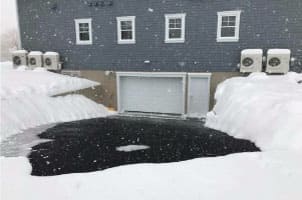
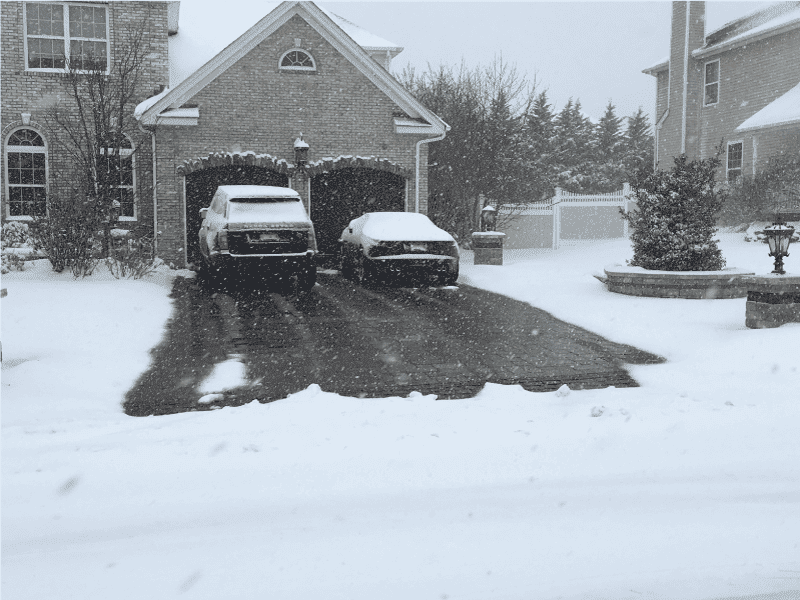
For property owners who routinely deal with the effects of inclement winter weather, installing a radiant snow melting system offers an effective and complete alternative to manual deicing. Snow melt systems emit beneath the surface of a driveway or pathway. This prevents snow and ice from accumulating, eliminating the need to spread salt and chemical deicers, shovel, or cleanup remaining residue.
Automatic controls and sensors detect impending snow and remain active until moisture levels drop, ensuring activation only when needed.
Where outdoor snow melting systems can be installed
Snow melting systems must be embedded within asphalt, concrete, or sand when used with pavers. The heating element must reside 1.5″ to 3″ from the surface (recommended depth depends on the covering used).
Electric radiant snow melt systems are available in two styles: pre-fixed mesh mats and loose cables. Warmup Snow Melt Mats are designed to be used with regularly shaped spaces, such as driveways, whereas Warmup Snow Melt Cables are best when used with irregularly shaped spaces, such as curved stairs and sidewalks.
Here’s a breakdown of where these systems make the most sense.
Driveways
Heated driveways offer a reliable and effective method of improving safety and reducing both weather and pavement-related maintenance. Snow Melt Mats can be used with straight driveway layouts while Snow Melt Cables can be used with curved driveways.
Walkways and entry paths
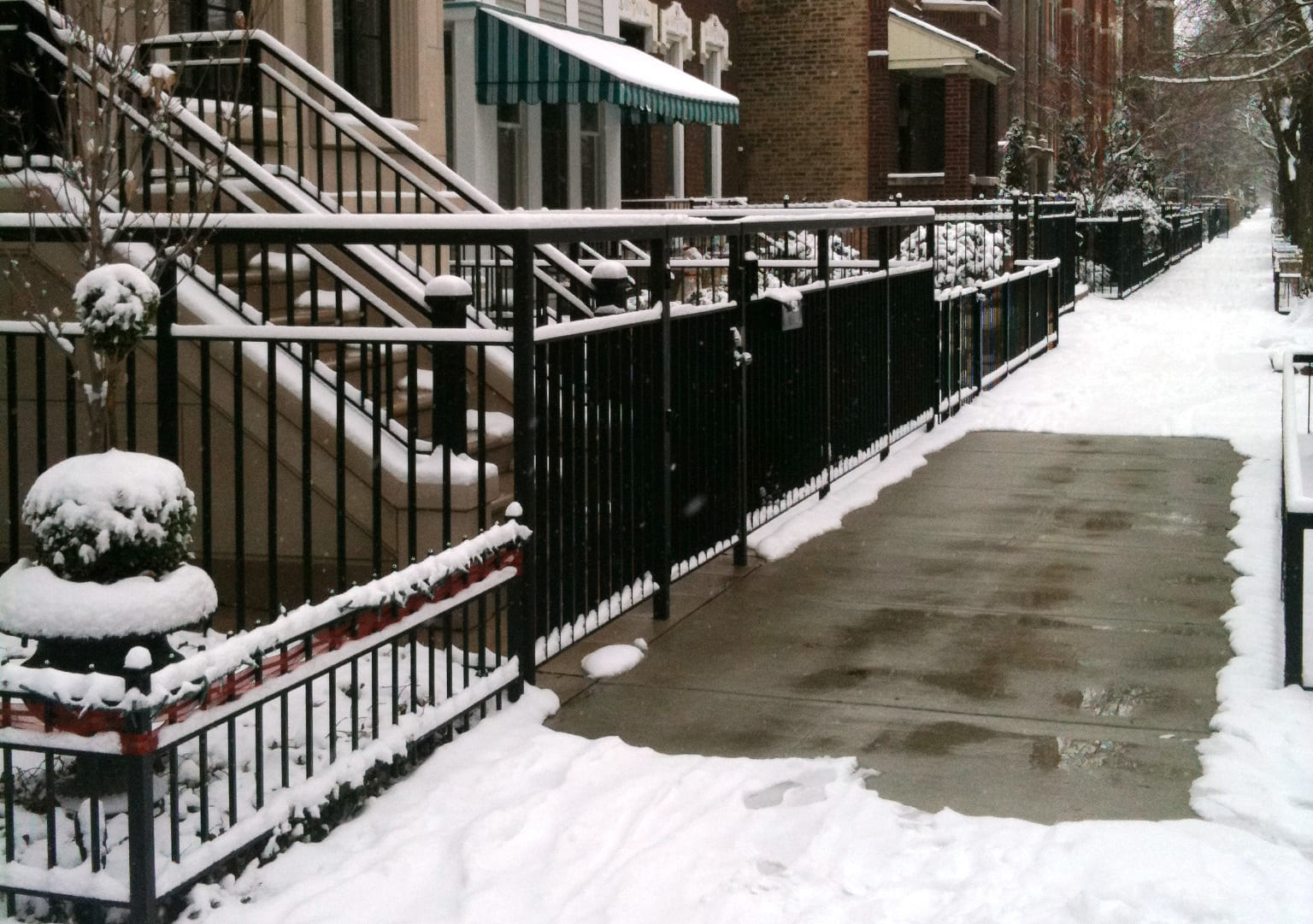
Outdoor entrances and walkways typically gain the most foot traffic and need the highest level of accessibility. Heated pathways are kept clear of snow and ice, preventing obstruction and improving safety by reducing risk of injury.
Heated pathways would also reduce cleanup or wait times, as the snow and ice would melt before having the opportunity to accumulate, eliminating the need for shoveling and providing constant home or building access.
Stairs and ramps
Considered one of the most hazardous surfaces in winter, snow melting systems can be used to keep stairs and ramps safe to use. Stairs and ramps tend to have concentrated, harder to remove, and harder to spot snow and ice patches, making them areas of higher risk. Heated surfaces would automatically melt these patches, ensuring user safety.
Patios, courtyards, and other shared outdoor spaces
For larger properties, commercial buildings, or shared residential complexes, radiant heating can provide a time, labor, and cost-effective solution to protect larger areas such as patios and courtyards.
Warmup Snow Melting Systems are designed for both small and large-scale projects. Their controls and sensors allow them to emit heat only when the temperature and precipitation require it. Businesses and homeowners could save money on hired snow removal and the time it would take while ensuring automatic activation and energy efficiency with radiant heating.
For more on how outdoor radiant heating can benefit a business during the winter, read our expert article.
Warmup’s solution to winter weather management
When managing recurring inclement winter weather, Warmup’s radiant snow melting systems offer a reliable alternative to not just snow and ice melt products, but all forms of snow removal methods.
Designed with the interests of homeowners and businessowners in mind, heated driveways and pathways provide a safer, cleaner, more accessible snow removal strategy. Surfaces remain protected without risk of damage, areas remain easier to manage, and smart controls ensure that energy optimization and automatic activation do the work so you don’t have to.
For more information about choosing the right snow melting system for your project, feel free to get in touch with our team. For installation tips, check out our YouTube channel. You can also request a quote tailored to your project requirements and start planning your installation with confidence.