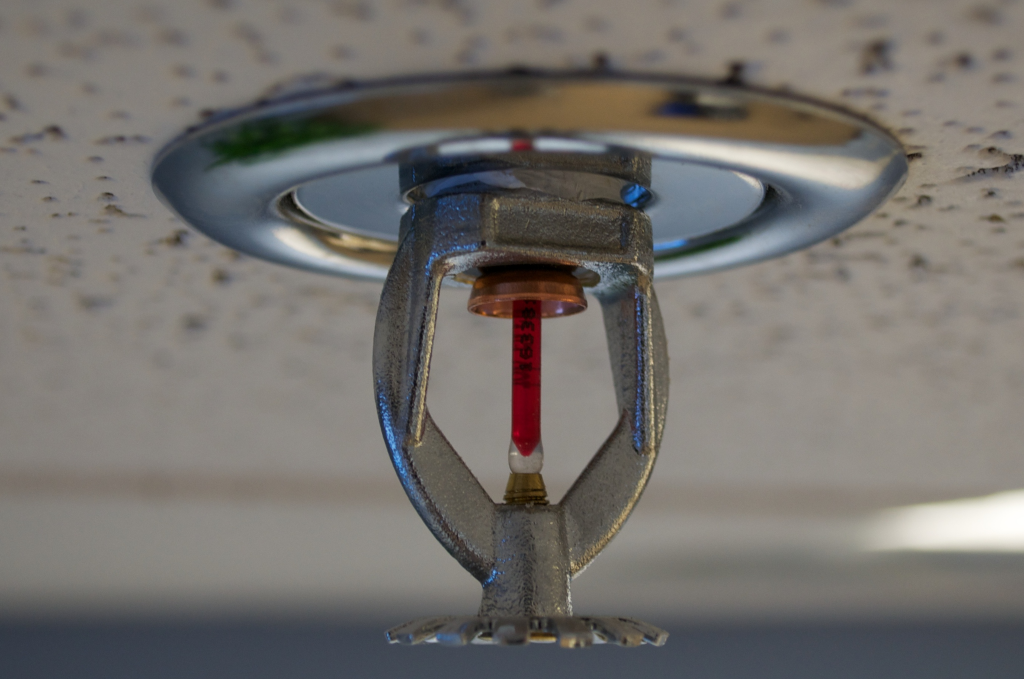
Many homeowners and companies install a sprinkler system to protect their homes and businesses from fire. When not in use, sprinkler systems store many gallons of stagnant water. This means that when the temperature drops below freezing, the water that is meant to protect a building in the event of a fire faces the risk of becoming frozen within the sprinkler pipe system and potentially bursting the pipes. There are several ways in which you can prevent this from happening, such as through the use of radiant heating cables.
In this article, you’ll learn about:
- The dangers of a frozen sprinkler system
- What happens when sprinkler systems freeze
- What you can do to prevent it from happening
- How radiant heating provides an optimal solution
The risk of a frozen sprinkler system
Sprinkler systems are often referred to as indoor sprinklers or fire sprinklers and are installed to effectively detect fire and protect against it if one occurs. For many new constructions across the country, it is actually required to install an indoor sprinkler system. The system sensor first detects smoke, then proceeds to release water to put out the fire. When activated, a single sprinkler head will spray between 15 to 20 gallons of water per minute, successfully putting out fires up to 90% of the time. When inactive, this large amount of water remains ready for use within the pipe system.
Though some homeowners and business owners are concerned about accidental sprinkler misfiring, the instances in which this occurs are quite rare. Due to technological innovation, indoor sprinklers have become increasingly reliable and easy to manage. They simply need to be installed, set to activate, and then left alone entirely.
That is, unless temperatures drop below freezing. When this happens, your sprinkler system is at risk of experiencing very serious and very expensive damages that could significantly impact your house or business. Pipe damage can lead to costly repairs to the entire sprinkler system and impacted areas in your home, resulting in thousands of dollars’ worth of property damage.
Finding a solution to protecting your indoor sprinkler system from freezing can help you avoid any serious potential pipe problems or expensive damage to your home.
When does a sprinkler system freeze?
In order to best protect your sprinkler system, you must first know the basics of what happens and when.
The first important thing to know is that when the temperature is above 32° F (0° C), you do not need to worry about your pipes freezing. Alternatively, when the temperature falls below 32° F (0° C), the water within your pipes will begin to freeze.
The next thing to make note of is the location of your sprinkler system. For instance, if your sprinkler system is inside of your building or home, it is unlikely that the temperature will drop into the danger zone. However, if your sprinkler system extends into the garage, attic, outside, or any other area susceptible to colder temperatures, you should be aware of how cold the pipes can become.
The best way to know if your pipes are at risk is by keeping an eye on the weather. You can check the weather forecast regularly to keep tabs on the daily and weekly projected temperatures. You can even set up your weather app to send you notification alerts when the temperature is expected to fall below freezing.
Follow these three steps to protect your sprinkler system from freezing
Waiting until the temperature drops below freezing could be too late to begin pursuing pipe freeze protection for your sprinkler system. After all, when water freezes, it expands up to 9% greater than its original size, placing intense pressure on your pipe system. The best thing to do is to take the steps necessary to prevent your pipe from freezing in the first place, thus avoiding all potentially disastrous situations.
Here are three steps that you can follow to effectively protect your pipes from weather-related damage:
1. Schedule regular maintenance
There are two different types of indoor sprinkler systems – dry systems and wet systems. They both require regular servicing to ensure proper functioning. They should be checked annually for optimal performance and freeze protection.
This is particularly important to do for dry systems, since they are full of pressurized nitrogen or air instead of water. This keeps water from entering the pipes, as they only fill with water in the event of a fire.
While it may seem counterintuitive to prioritize the servicing of pipes that are full of air, it is very important to do because condensation can form inside of dry systems and freeze during low temperatures. Regular maintenance helps prevent this from happening, since maintenance professionals drain any standing condensation to ensure that the risk of freezing is reduced.
2. Install a pipe freeze protection system to the sprinkler pipes

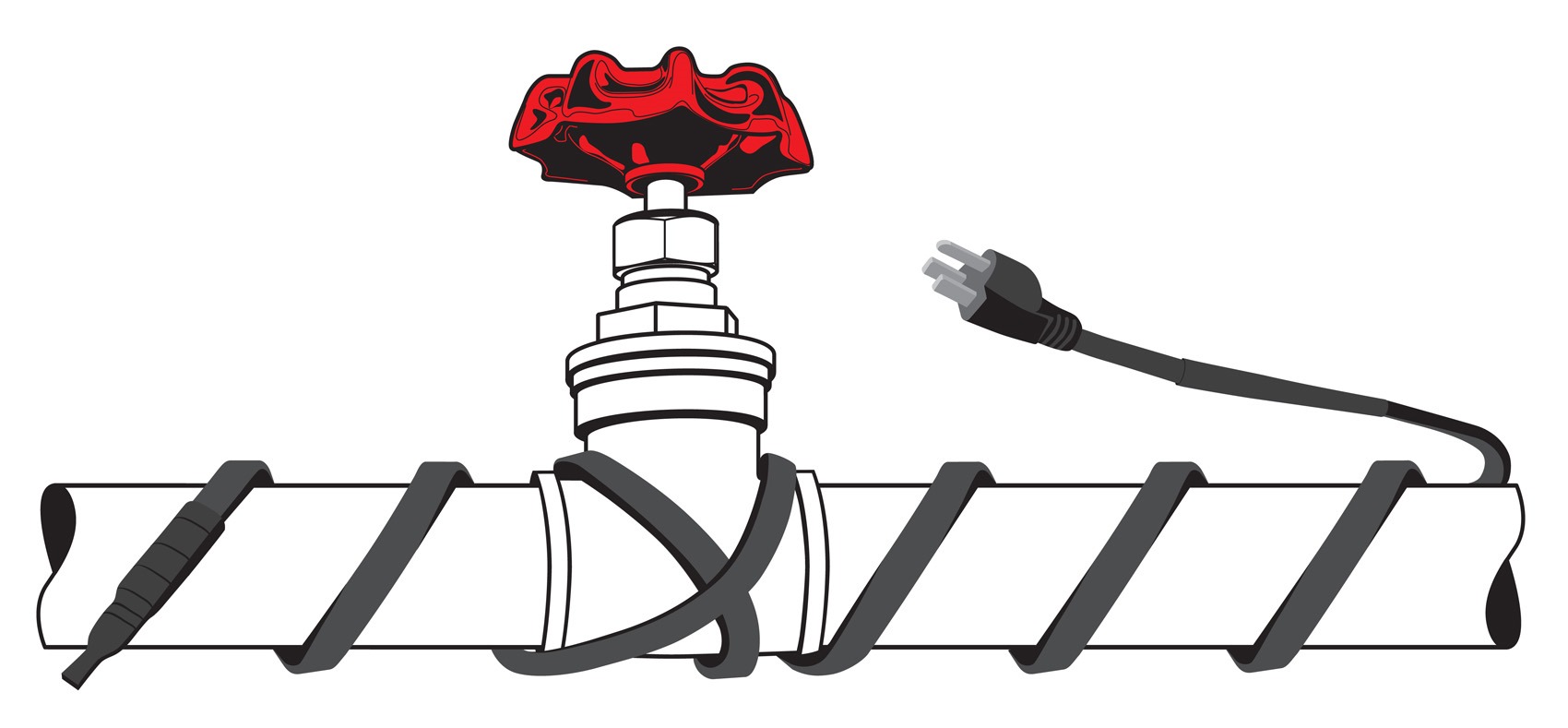
The best way to protect your sprinkler system is by installing a pipe freeze protection system. This type of system can be plugged into a standard outlet and is installed alongside your pipes by strategically wrapping around them to provide an even distribution of heat. In addition, waterproof coverings can be installed to insulate the pipes and prevent exposure to external condensation.
Warmup offers Self-Regulating Heating Cables that are capable of monitoring ambient temperature and heating pipes accordingly. Since they only use the amount of energy required to maintain the temperature safety of the pipe, they provide an efficient, cost-effective solution for the duration of the winter season.
3. Add an antifreeze loop
For wet systems in particular, you can add antifreeze into the sprinkler pipe system to help prevent the water from freezing. Antifreeze creates a lower freezing point, which means the freezing temperature would become lower than 32° F (0° C). This extends the temperature range for freezing and helps mitigate the risk of damage to the sprinkler system in cold weather.
To ensure that the correct concentration of antifreeze is achieved, it is recommended that you have a professional take samples from the sprinkler water. If not evaluated, having too much antifreeze can damage the pipes and having too little antifreeze won’t be effective
Using radiant heating as a pipe protection solution
Warmup’s pipe trace cable systems for indoor sprinklers offer homeowners and business owners a reliable, automatic solution for protecting pipelines from freezing. Our heated cable system effectively reduces the likelihood of weather-related damage such as water leaks and burst pipes.
Our Self-Regulated Heating Cable, which gets wrapped around the pipeline, is capable of sensing ambient conditions and adjusting its heat output based on temperature changes, delivering more heat in colder conditions and less heat when it’s warmer. This reduces the hassle of manually maintaining a heating system and provides peace of mind, since pipes do not need to be routinely checked, eliminating the possibility of a frozen sprinkler pipe going unnoticed and causing serious damage.
The Self-Regulating Heating Cable is designed to not overheat and is flexible in its application, meaning that it can be fitted to pipes as needed for both residential and commercial buildings. When used in combination with sensors and controllers, the Self-Regulating Cable provides optimized energy-efficiency and heat output. This is because our sensors detect moisture in the air and dedicated controllers can be used to set personal heating preferences. Both accessories increase the information provided to the pipe trace system, thus enhancing heat output, precipitation detection, and customized heating patterns to most effectively protect sprinkler systems long-term and regardless of what the weather may bring.
Contact us today or learn more about outdoor radiant heating solutions for driveways, roof and gutter protection, and more in addition to our indoor product ranges.
Get a free, instant quote for your sprinkler system today! For more maintenance and installation tips, check out our YouTube channel.